10 Years Building Production Skills
Since 2015, we've focused on teaching synthesis architecture, signal flow design, and mixing frameworks that professionals actually use. Our instructors work in commercial production environments and teach the technical foundations required for consistent results.

What We Actually Do
We teach digital music production through masterclasses that focus on specific technical skills. Each course breaks down synthesis methods, effect chains, arrangement structures, and mixing techniques into repeatable processes. You learn by working through actual project files and seeing how decisions affect frequency balance, stereo imaging, and dynamic range.
Our instructors produce commercially released music and engineer sessions for clients. They demonstrate their own workflow setups, explain routing configurations, and show you the parameters they adjust when solving common production problems. You get the exact plugin settings, EQ curves, and compression ratios they use in their daily work.
The platform connects learners from different countries who are working on electronic music, hip-hop production, film scoring, and sound design. Course materials include session templates, preset libraries, and reference tracks so you can compare your results against professional benchmarks. We update content when new software versions change workflow requirements or when production standards shift.
Students typically spend three to six months working through a complete curriculum track. Most dedicate four to eight hours weekly on exercises, project files, and applying techniques to their own music. The platform provides detailed feedback on frequency spectrum analysis, gain staging decisions, and spatial positioning choices so you can identify where your mixes need technical correction.
How We Structure Learning
Each masterclass follows a consistent structure designed around building actual production capabilities. You work with real DAW sessions and audio files throughout.
Technical Foundations
You start with signal flow architecture, gain staging principles, and frequency spectrum fundamentals. These concepts determine how every other production decision functions within your DAW environment.
Process Documentation
Instructors record their screen while working and explain parameter adjustments in real time. You see the exact plugin chains, routing decisions, and automation curves used to achieve specific sonic characteristics.
Applied Exercises
Each module includes project files where you apply demonstrated techniques to provided stems. You work on mixing challenges, synthesis programming tasks, and arrangement problems with measurable technical outcomes.
The People Behind the Platform
Our instructors maintain active production careers while teaching. They bring current industry practices and real project experience into every masterclass they develop for the platform.
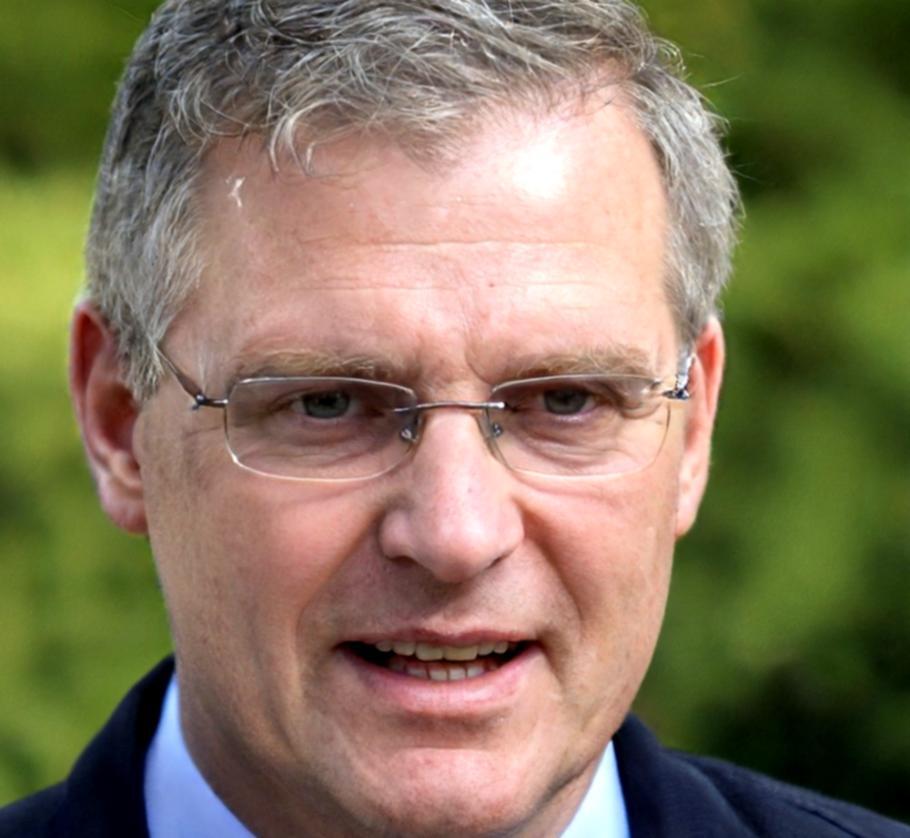
Viggo Sokolovsky
Viggo specializes in modular synthesis architecture and develops custom Max/MSP devices for film post-production. He's scored audio for twelve documentary projects and teaches advanced FM synthesis implementation. His masterclasses focus on oscillator tuning methods, filter topology selection, and envelope shaping techniques for evolving timbres.
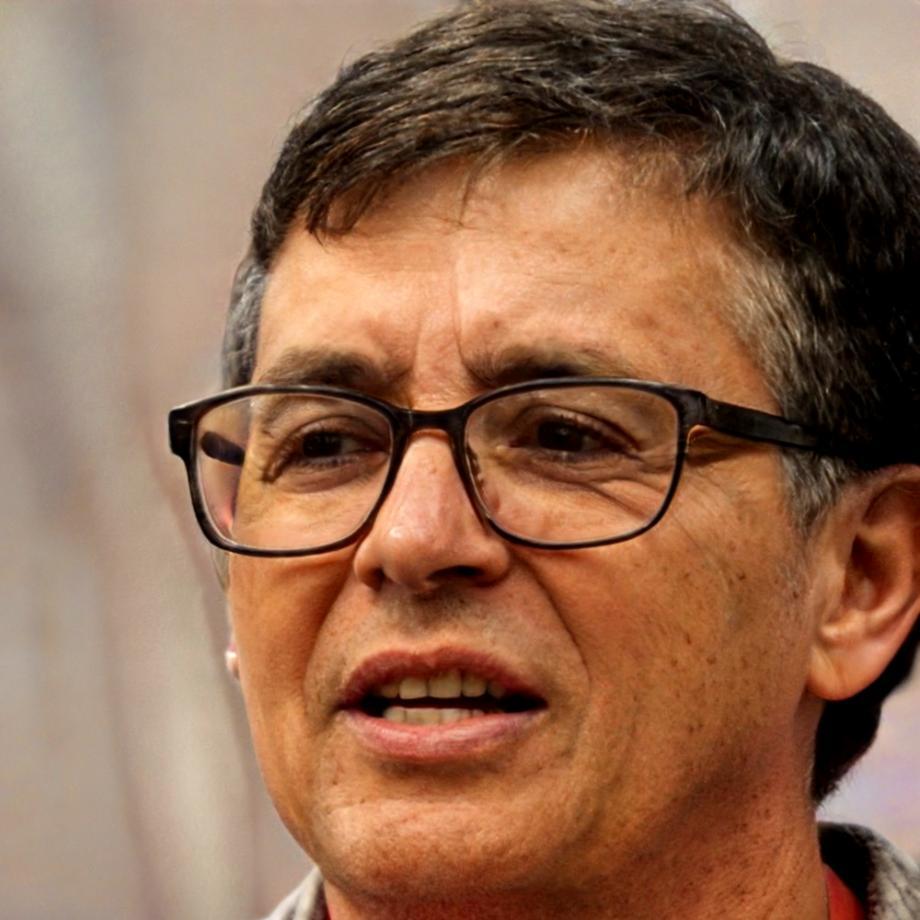
Tomasz Haugland
Tomasz works as a mixing engineer for electronic music labels and runs his own mastering facility. He teaches multiband compression strategies, stereo widening calculations, and loudness normalization workflows. His courses include detailed analysis of frequency masking, phase correlation issues, and transient preservation during limiting stages.
Technical Support Infrastructure
Students access a dedicated forum where instructors respond to technical questions about DAW configuration, plugin compatibility, and workflow optimization. Response time averages under 24 hours for detailed technical inquiries.
The platform maintains a library of troubleshooting guides covering latency compensation, buffer size configuration, CPU optimization strategies, and audio interface setup procedures. These resources address the most common technical barriers students encounter during production work.
Course materials remain accessible after completion so you can reference specific lessons when facing similar production challenges in future projects. Updated content gets added to your library automatically when instructors revise technical demonstrations or incorporate new software capabilities.
Curriculum Development Process
We design masterclass content by analyzing production techniques across multiple commercial releases in specific genres. Instructors identify recurring mixing decisions, synthesis programming patterns, and arrangement structures that define professional-level results in those styles.
Each curriculum module gets tested with a small group of students before full release. We measure completion rates, track technical questions, and identify sections where additional demonstration or explanation improves comprehension. This feedback directly shapes final lesson structure and pacing.
Our content revision cycle runs quarterly. When DAW manufacturers release significant updates, we record supplemental lessons covering new features and workflow changes. Instructors also add modules addressing production techniques that gain adoption within the broader music production community.