
Music Production Without the Template Approach
Real professionals showing actual workflow decisions, not just button sequences
Explore ProgramsTeaching Standards and Learner Rights
We maintain specific obligations to every participant. Our platform exists within a structure that requires transparency about what we deliver and honest communication about outcomes. Educational services carry responsibilities that extend beyond content delivery.
Content Accuracy
Every technique demonstration gets verified against current industry standards. When software updates change workflow, we update content within two weeks. We document this process publicly and notify enrolled learners immediately.
Technical Requirements
Before enrollment, you see exact system specifications and software versions for each program. We maintain compatibility matrices because a DAW that crashes wastes your time. If something stops working, we provide alternatives or refunds within 48 hours.
Learning Support
Questions get answered by instructors who actually use the techniques daily. Response time averages under 12 hours. If you hit a technical wall during a project, we schedule live troubleshooting sessions rather than sending generic troubleshooting steps.
What We Do Not Promise
We teach production techniques used in commercial music. We do not promise career outcomes, connections to labels, or guaranteed creative success. Those depend on factors completely outside our control including your practice time, creative direction, market timing, and networking efforts.
Most participants complete our programs to improve specific technical skills. Some go on to release music professionally. Many use these skills for personal projects. Both outcomes are equally valid. We focus on skill transfer, not career transformation promises.
Our responsibility ends at delivering accurate instruction and responsive support. Your musical career depends on your dedication, market conditions, creative choices, and opportunities we cannot provide.
What You Can Actually Learn Here
Our instructors work on released commercial music. They teach the specific techniques they use in active projects. Each program focuses on skills that solve concrete production problems, not theoretical concepts divorced from actual workflow.
Mixing Engineering
Gain staging, frequency balance, spatial positioning, and dynamics control for different genres. Covers analog emulation plugins, parallel processing chains, and corrective EQ decisions based on frequency masking. You work with multitracks from real sessions.
Sound Design
Subtractive, FM, and wavetable synthesis from basic waveforms to complex modulation routing. Sampler manipulation, granular techniques, and layering strategies. Focuses on creating sounds that fit specific production contexts rather than preset browsing.
Track Arrangement
Section structure, tension building, frequency range management across instrument groups, and transition techniques. Analyzes professional arrangements to show how energy levels change throughout a track. Teaches editing decisions that maintain listener engagement.
Mastering Fundamentals
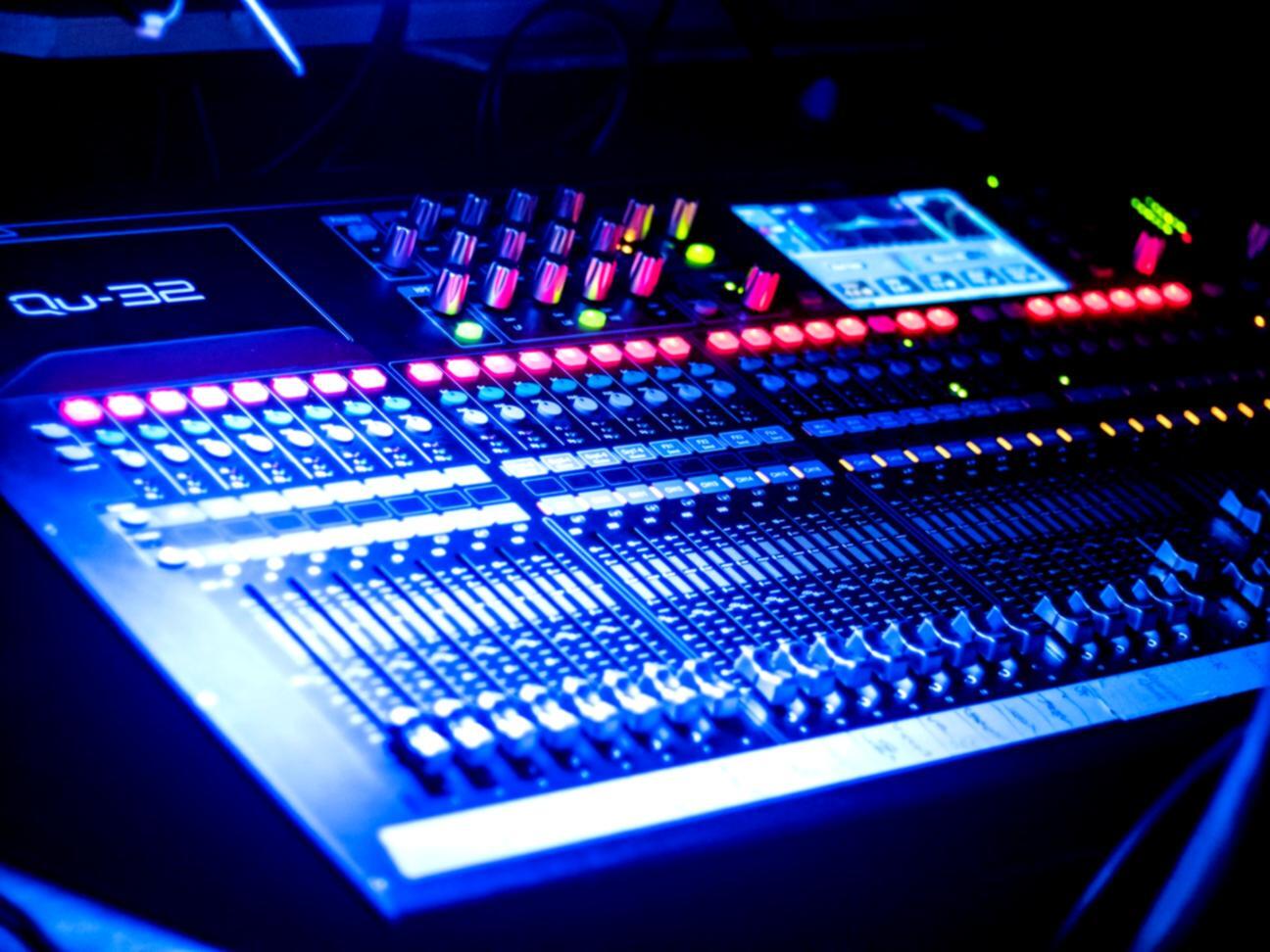
Final polish processing including multi-band compression, limiting strategies, stereo enhancement, and loudness optimization for streaming platforms. Explains the technical standards different distribution channels require and how to meet them without destroying dynamics.
Learning Alongside Other Producers
Most online education feels isolating. You watch videos alone, struggle with problems alone, and never see how others solve the same issues. We built feedback systems and project sharing into the platform because comparing approaches accelerates learning more than solitary practice.
Why Interaction Matters for Technical Skills
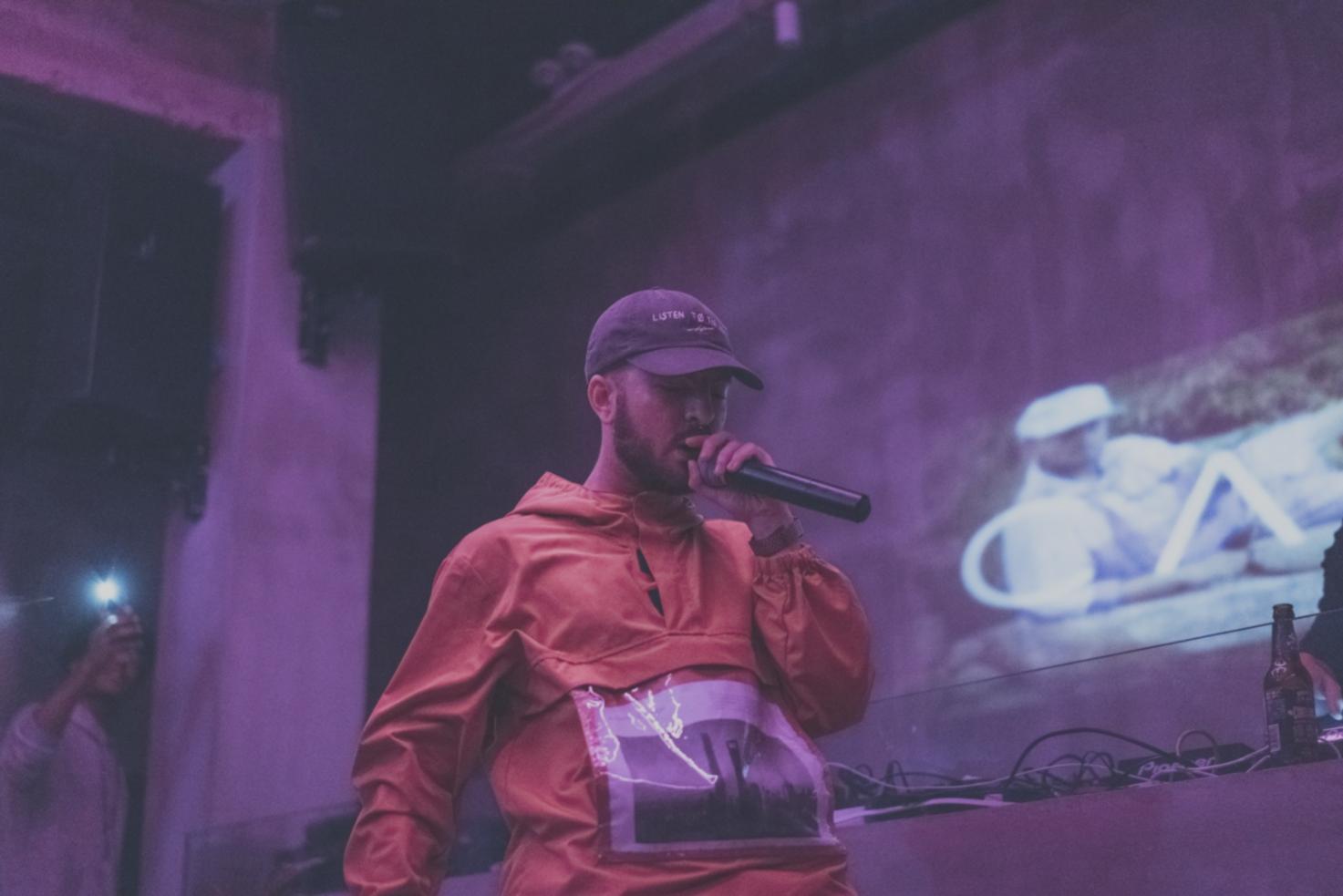
When you hear how someone else EQ'd a kick drum or structured their reverb sends, you expand your problem-solving toolkit. Different producers approach the same frequency conflict in completely different ways. Seeing multiple solutions to identical problems builds judgment faster than following single-path tutorials.
Our program includes project critique sessions where instructors and peers analyze submitted work. You submit a mix, get specific feedback on frequency balance and spatial decisions, then compare your approach to how others handled similar material. This reveals workflow patterns you would never discover alone.
We also maintain project archives where previous participants share multitrack sessions and processing chains. You can download their projects, reverse-engineer their decisions, and apply those techniques to your own material. Learning from peer work, not just instructor demonstrations, provides context about what actually works.

Jalmari Lindqvist
Electronic Music ProducerThe project comparison sessions changed how I think about arrangement. Seeing five different people structure the same 16-bar loop showed me approaches I never considered. Now I have multiple strategies for building tension instead of just copy-pasting what worked once.
Instructor Qualifications
Every instructor currently works on commercial releases or client projects. We require active production work because techniques evolve quickly. Someone who stopped producing three years ago teaches outdated workflow. Our instructors demonstrate methods they used within the past six months on real projects.
Active Industry Professionals
Combined Years Experience
Commercial Releases
Masterclass Programs